A Landscape That Changes With the Calendar
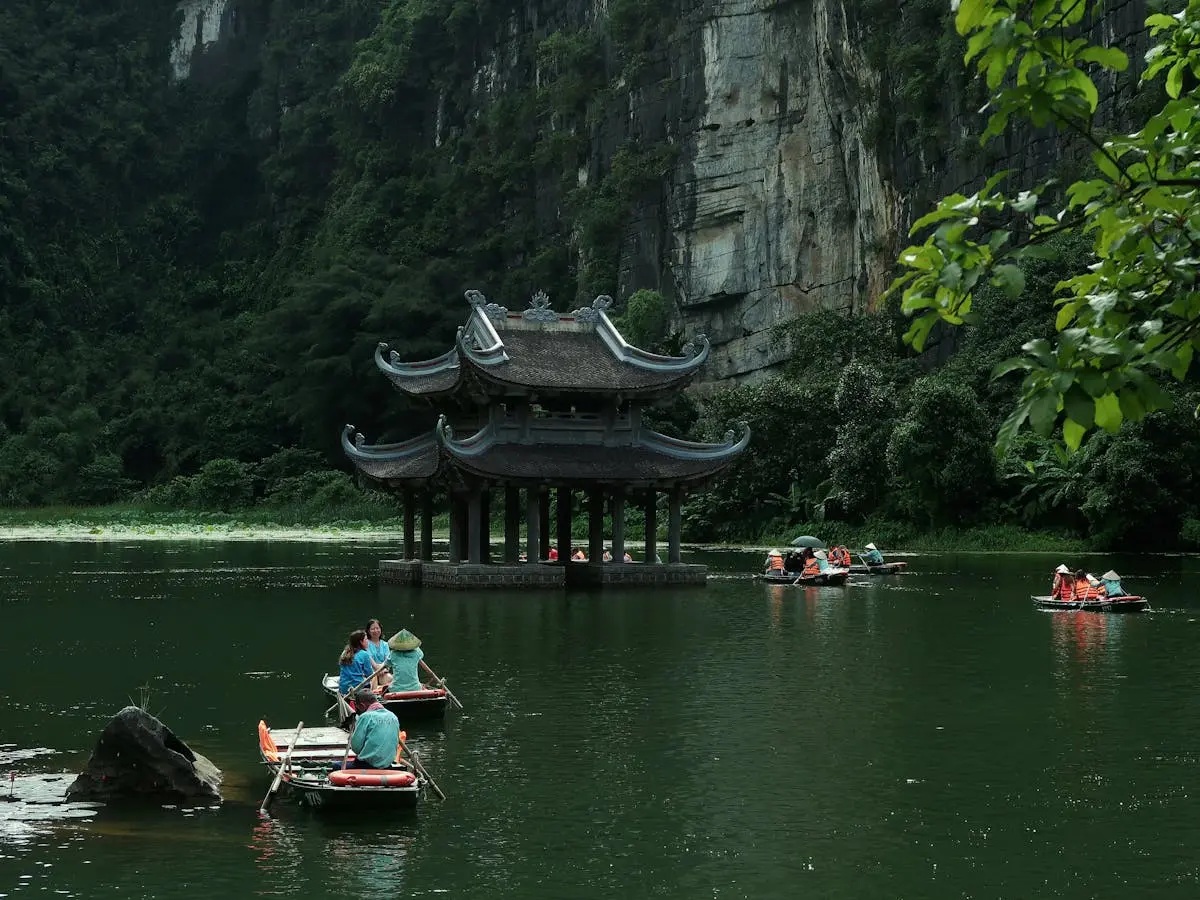
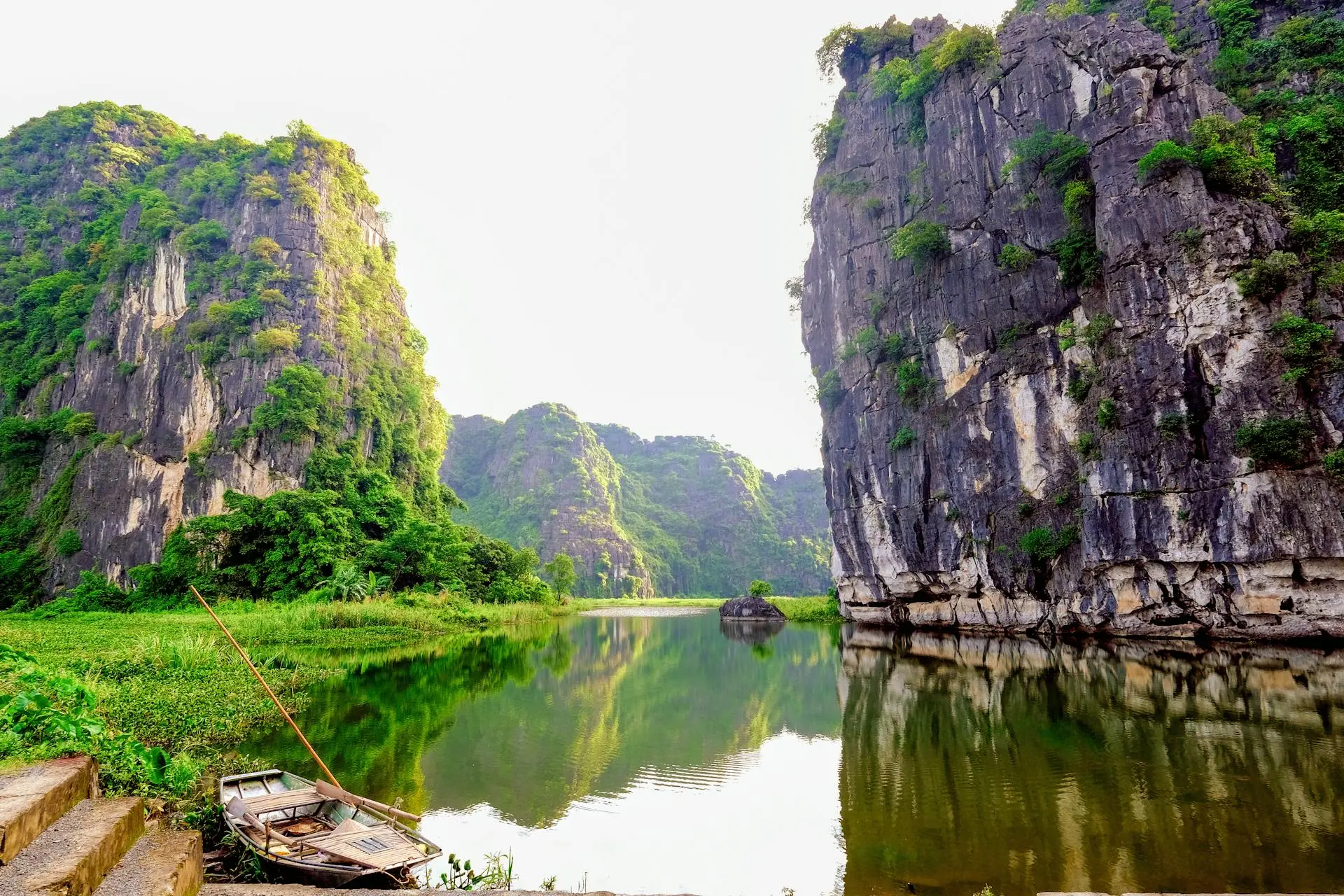
Hoa Lu (formerly Ninh Binh) is not a static destination. The same river, the same karst towers, the same caves — they present an entirely different face depending on when you arrive. The rice paddies at Tam Coc transform from mirrored flood water in February to emerald green shoots in May to golden waves in October. The light shifts from winter's soft grey mist to summer's sharp tropical intensity. The crowds ebb and flow with the seasons, the holidays, and the international travel calendar.
There is no bad time to visit. But there are distinctly different times, and understanding what each month offers allows you to choose the experience that matches your preferences.
January & February: Cool, Quiet, and Atmospheric
Temperature: 10-18C (50-64F). Rain: Low. Crowds: Low (except around Tet holiday). Rice fields: Harvested or early planting.
January and February are the coolest months in Hoa Lu. Morning mist settles between the karst towers and lingers over the river valleys, creating an ethereal atmosphere that is dramatically different from the sharp tropical light of summer. The rice fields are either harvested (stubble remaining from the autumn crop) or in the early stages of the spring planting cycle, with paddies beginning to flood in late February.
These months are excellent for travelers who prefer fewer crowds and do not mind overcast skies and cooler temperatures. The karst landscape is arguably at its most atmospheric in winter mist, and the reduction in visitor numbers means boat rides at Tam Coc and Trang An feel more intimate. Note that Vietnamese New Year (Tet) falls in late January or early February — during this 7-10 day period, domestic tourism spikes and some businesses close or operate on holiday schedules.
What to pack: Layers. A fleece or light jacket for mornings and evenings. Long trousers and closed shoes. Rain jacket (light drizzle is possible). The cold is not severe but it is damp, and the boat rides amplify the chill.
March & April: Spring Warmth
Temperature: 18-26C (64-79F). Rain: Low to moderate. Crowds: Moderate. Rice fields: Young green shoots emerging.
Spring arrives in Hoa Lu with rising temperatures, longer days, and the first flush of green across the rice paddies. March is a transitional month — the mist begins to lift, the air warms, and wildflowers appear along the paths between karst towers. By April, the landscape has shifted from winter's grey palette to the fresh greens and warmer light that characterize the growing season.
This is the period of the Hoa Lu Festival (typically in March), a local celebration at the Ancient Capital with traditional ceremonies, processions, and cultural performances. For travelers interested in Vietnamese traditions, timing a visit to coincide with the festival adds a cultural layer to the landscape experience.
What to pack: Light layers. A t-shirt and light jacket combination works for most days. Sunscreen becomes relevant. Comfortable walking shoes for increasingly warm conditions.
May & June: The Green Season
Temperature: 28-35C (82-95F). Rain: Moderate (building toward wet season). Crowds: Moderate. Rice fields: Vivid emerald green.
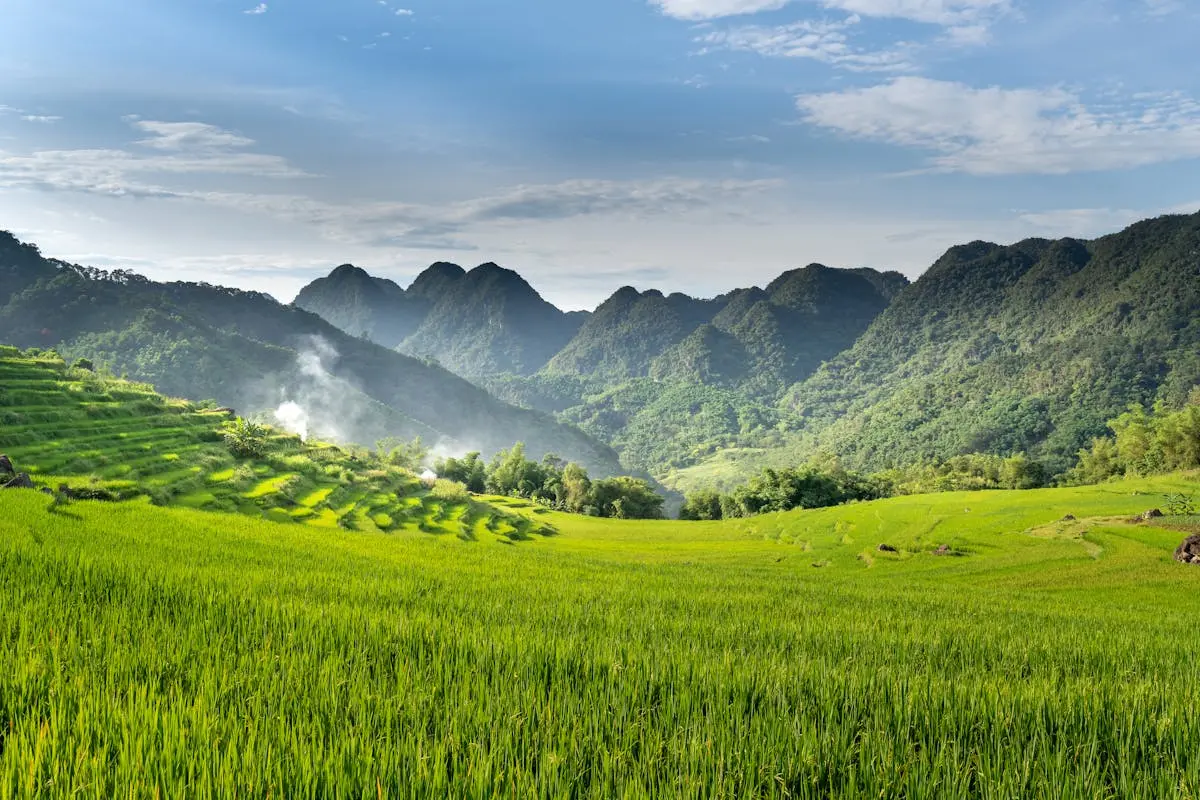
May and June are when the rice paddies reach their most vivid green. The young rice stands approximately 30-50 cm high, creating an intense emerald carpet between the limestone towers. This is considered a secondary peak season for photography — the green is as striking in its way as the golden autumn, and the contrast between green paddies, grey karst, and blue sky is exceptional.
Temperatures are warm to hot, and humidity is rising. Afternoon thunderstorms become more common toward the end of June, though mornings are typically clear and bright. The combination of warmth, greenery, and increasingly dramatic cloud formations makes this period highly rewarding for photographers and travelers who do not mind heat.
There are two Ninh Binhs — the golden one in October, and the green one in June. Both are extraordinary, and whichever you see first, you will want to return for the other.
What to pack: Light, breathable clothing. Strong sunscreen, hat, and sunglasses. Insect repellent. A compact rain jacket or poncho for afternoon showers. Extra water — dehydration is a real concern during outdoor activities.
July & August: The Rainy Season
Temperature: 30-38C (86-100F). Rain: High (heaviest rainfall months). Crowds: Moderate to high (summer holidays). Rice fields: Tall, dense green, approaching maturity.
July and August are the hottest and wettest months. Afternoon thunderstorms are frequent and often spectacular — the kind of tropical downpours that turn roads into temporary rivers and then stop as abruptly as they began. The landscape is at its most lush and tropical: vegetation is dense, the river levels are high, and the karst towers appear to emerge from a jungle rather than a pastoral landscape.
The rain is rarely a day-long event. Mornings are often clear and intensely bright, with storms arriving in the mid to late afternoon and lasting 1-2 hours. For travelers willing to work around the rain, this season offers some of the most dramatic skies and atmosphere of the year. The caves at Trang An are particularly impressive during high water, with the river levels creating a different navigational experience.
What to pack: Quick-dry clothing. Rain jacket or poncho (essential). Waterproof phone case. Sunscreen (the sun between storms is fierce). Water-resistant shoes or sandals with good grip. Mosquito repellent.
September & October: The Golden Season (Peak)
Temperature: 24-32C (75-90F). Rain: Moderate, decreasing. Crowds: High. Rice fields: Golden (mature rice, approaching harvest).
This is it. The season that graces every travel magazine cover, every Instagram feed, every postcard. The rice paddies turn from green to gold as the mature stalks bend under the weight of the grain. At Tam Coc, the golden rice flanking the Ngo Dong River creates one of the most photographed landscapes in Vietnam. From the summit of Hang Mua, the valley below is a quilt of gold and grey-green, bisected by silver river water.
The timing of the golden rice depends on the agricultural cycle, which varies slightly year to year. Generally, the rice begins to turn in mid-September and reaches full golden intensity in late September through mid-October. By late October and early November, the harvest has begun and the paddies transition to stubble. The weather during this period is excellent — warm but not oppressive, with rain becoming less frequent as the season progresses.
The trade-off is visitor volume. September and October are the busiest months at Tam Coc, Trang An, and Hang Mua. A private tour with strategic timing — early morning departures, routes that avoid the main group tour schedules — makes a significant difference during peak season.
What to pack: Light clothing. Sunscreen and hat. A light jacket for early mornings. The temperatures are comfortable and the conditions are ideal for outdoor activities.
November & December: Autumn Transition
Temperature: 15-25C (59-77F). Rain: Low. Crowds: Moderate (November) to Low (December). Rice fields: Harvested or post-harvest.
November sees the tail end of the golden rice season (early November) transitioning into the post-harvest landscape. The rice paddies are cut, and the fields return to stubble or are flooded in preparation for the next planting cycle. Temperatures drop noticeably through November, and by December, the cool season has firmly arrived.
December is one of the best months for travelers who want the landscape without the crowds. The karst towers look different in winter light — more austere, more architectural — and the morning mist that becomes common in late December adds a dimension of mystery that the sharp summer light does not provide. The boat rides at Tam Coc and Trang An are quieter, and the temples at Hoa Lu have a contemplative atmosphere enhanced by the cooler, calmer conditions.
What to pack: Layers — a fleece or warm mid-layer, plus a windproof jacket. Long trousers. Closed shoes. By December, the damp cold can be penetrating, especially on the water during boat rides.
The Bottom Line: When Should You Go?
If you want the iconic golden rice landscape, plan for late September through early October. If you want lush green paddies with fewer visitors, choose May or June. If you prefer cool weather, atmospheric mist, and the quietest conditions, December through February is ideal. And if you are visiting on dates determined by your broader Vietnam itinerary, rest assured that Hoa Lu rewards visitors in every season — the karst landscape is inherently dramatic regardless of the calendar, and the caves, temples, and waterways are magnificent year-round.
We operate private tours every day of the year. Tell us your dates, and we will let you know exactly what the landscape will look like, what to expect from the weather, and which tour best matches the season.